In the current busy online society, companies and advertisers are always seeking smarter methods of getting their message across. People no longer spend long hours reading lengthy text-based content because attention spans are becoming shorter. The viewers are more content with visual content which makes them comprehend concepts without spending excessive time. This shift has made the use of infographics to market one of the most effective strategies in modern-day digital communication.
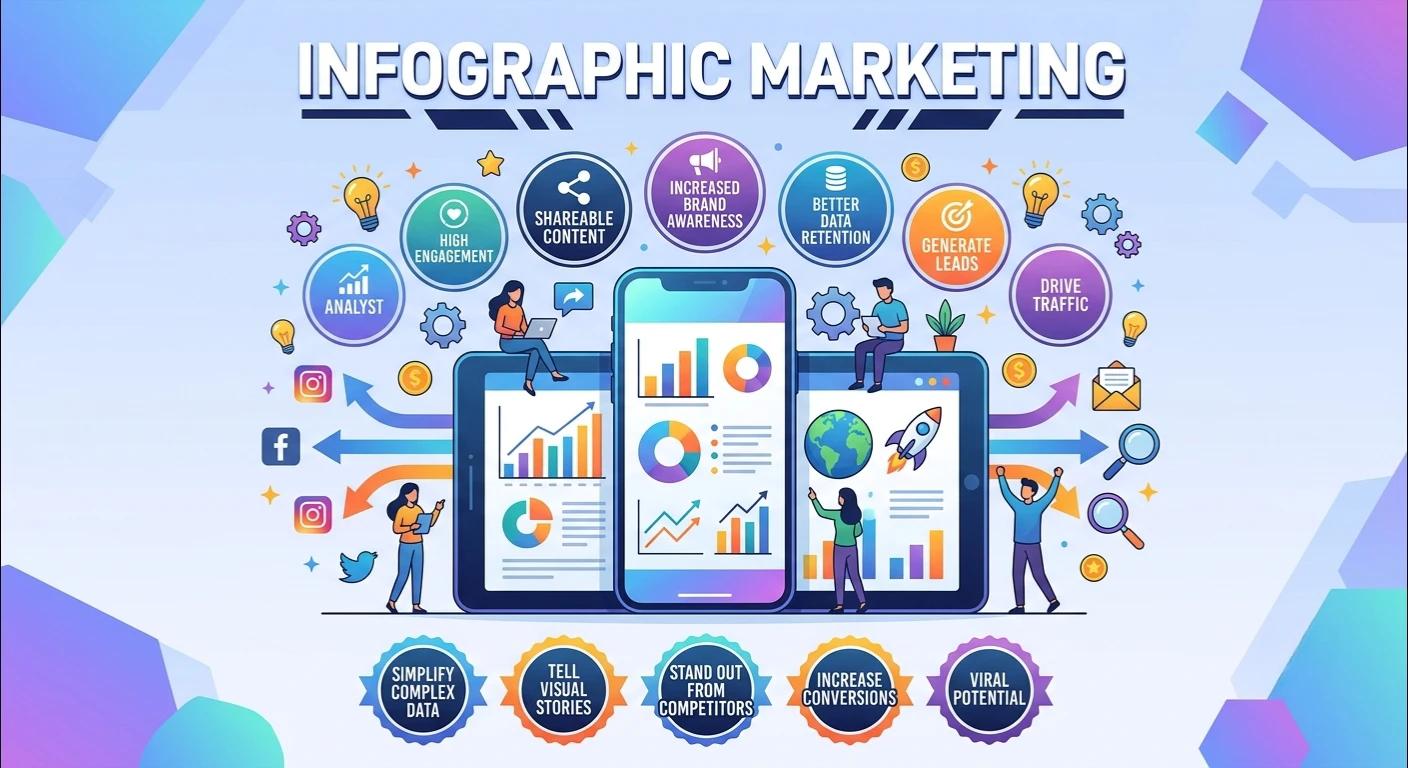
Infographic marketing is focused on using visual storytelling to deliver information in a clear and attractive way. Rather than spending a lot of text explaining something, the marketers combine graphics, icons, charts and short explanations to offer meaningful information. The given strategy will enable the brands to exchange useful experience and retain the attention of audiences.
The Increasing Relevance of Visual Communication
The digital content has changed the consumption patterns of people. Every day, people scroll numerous posts on websites and social media platforms. In a matter of seconds, they make decisions on whether they should pay attention to something or not.
The traditional content is not able to compete in such environment, mostly when the readers are overwhelmed with the information.
Infographics solve this challenge by helping businesses present information quickly and effectively. Pictorial representation is one of the simplest ways to attract attention since human brain perceives images more than the texts. When the information is visualized, the users are able to comprehend the key message within a short period of time.
Infographic marketing works particularly well because it combines creativity with data. Infographics are also easy to use in explaining industry trends, product comparison, and educating the customers and at the same time being professional.
How Infographic Marketing Helps Break Down Complex Information?
Most industries have technical or detailed issues that cannot be comprehended by the audiences. It can be daunting to explain statistics, work processes or research results with a plain text explanation. Infographic marketing allows marketers to break down complex concepts into easy-to-follow visuals.
The use of charts, timelines, illustrations, and icons assists in logical arranging of ideas. Viewers will not have to read several paragraphs but can use a well-organized construction that will help them go through the message. This approach transforms complex information into digestible content.
To illustrate, a company that is explaining customer behavior trends does not have to use long descriptions but instead add the graphs. On the same note, step-by-step procedures are simplified when they are expressed in form of icons and visual series. By making information more accessible to the audience, infographic marketing makes sure that audiences retain information better.
Creating Engaging Content That Captures Attention
One of the biggest challenges in digital marketing is creating engaging content that stands out. Brands have to compete with the billions of posts published everyday with the need of gaining visibility and interaction. Infographics inherently appeal to users as they are not only appealing to the eye but also informative.
The content is enhanced with colors, designs and artistic images. Whenever the audiences enjoy what they are reading, they tend to share it with others. Such behavior of sharing the brand enhances the brand exposure without necessarily having to promote it.
Engaging content also encourages longer interaction time. Users are more likely to spend time on the page to view the images and get the message faster as opposed to leaving the page. This enhanced interaction augers well with the overall marketing performance and increases the connectedness.
Infographic Marketing and Digital Marketing Strategy
Infographic marketing plays a significant role in broader digital marketing strategies. It is used by businesses in websites, blogs, email campaigns and in advertising platforms to pass information effectively.
In digital marketing, clarity is essential. Customers desire to obtain answers fast and that is what infographics offer. They assist companies to describe services, prove their value, and emphasize the essential benefits without overcharging readers.
Storytelling is also supported by infographics. The brands can show their path, success, or stories of their customers visually, in a manner that is relatable. This narrative style creates trust and increases the credibility of the brand.
When integrated right, infographic marketing helps to build a strong foundation for content marketing, search visibility and brand recognition at the same time.
The Role of Infographics on Social Media Order
Social media is now one of the most powerful platforms for online communication. Nevertheless, the competition in terms of visibility is high. Users scroll at a high rate, and they do not pay much attention to text dense posts. Infographic marketing is great for brands to stand out from the crowd and provide visually attractive information that stops users mid scroll.
Infographics work phenomenally well on social media as they are easy to consume and are easily shareable. One image is able to convey important information without having to open up to external links or read lengthy captions.
Social media platforms favor visuals that are attractive and have more traffic and engagement. When audiences consider content on a post informative and appealing to the eyes, likes, shares, and comments go up. As a result, infographic marketing becomes a strong tool for improving organic visibility.
Publication of educational infographics also makes a brand an expert in the industry. By continuously posting useful visuals, the audiences will start to believe the businesses as sources of reliable information.
Reaching the Right Target Audience
Understanding the target audience is vital to successful marketing. Infographic marketing enables businesses to customize visuals based on the preferences, interests, and knowledge level of the audience.
Dissimilar viewers react to diverse visual forms. Experts can be interested in data visualized charts, whereas ordinary consumers can be interested in visual art and straightforward descriptions. When infographics are customized, the message is guaranteed to be effective.
Language barriers are also broken by infographics. Visual communication eliminates the use of long text hence the content can be accessed by various audiences. This inclusivity extends the coverage, and enhances the general efficiency of communication.
By aligning visuals with audience expectations, infographic marketing enhances both engagement and message clarity.
Enhancing Visual Design of Information Retention
One of the strongest advantages of infographic marketing is improved memory retention. Images are retained in the minds of people better than textual information. When information is delivered in form of images, the audience is able to remember important issues even after watching the information.
Here visual hierarchy is a factor. The icons, headings, and organized design provide readers with the flow of information in an organic way. This is a structured talk that assists the viewers in seeing correlations among concepts.
In case the users recall information better, the likelihood of the user associating with the same brand that served him or her with the information increases. Regular use of infographics builds brand recognition and loyalty among customers in the long run.
Sustaining SEO and Website Performance
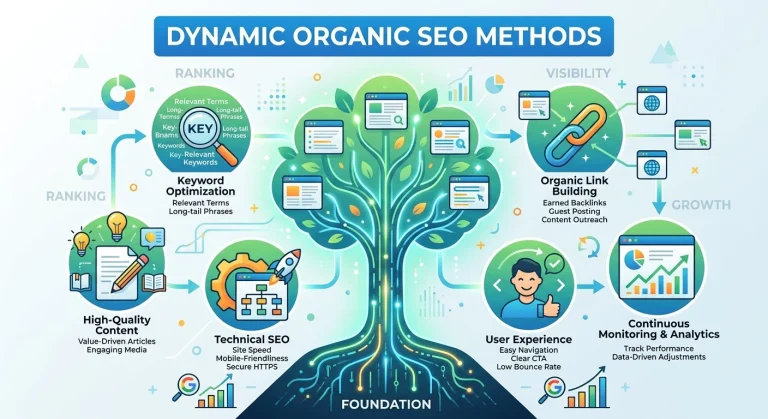
Infographic marketing also contributes positively to Search Engine Optimization efforts. Good infographics make people spend longer durations on websites and this will reduce bouncing and level of engagement.
The rich content that has graphics is visually appealing thus attracting back links as other websites cite information graphics. These linking out help in domain and visibility in search. There are also optimized descriptions of infographics and supporting text to make search engines make sense when it comes to the relevance of content.
Conclusion
Infographic marketing has made a huge impact on the way businesses communicate in the digital marketing field. By allowing brands to convey information in an engaging visual format, it makes complex information easier to understand for the overall audience. Visual storytelling helps companies to express ideas in a clear and engaging manner while keeping the audience’s interest.
From being able to break down complex topics to infographics offer exceptional flexibility in creating interesting content that will grab attention. They increase social media performance and strengthen brand credibility and how well audiences remember information shared. This ability to combine the education and engagement makes infographic marketing an essential component of modern communication strategies.