
In today’s digital age, content and media serve as the foundation for communication, marketing, and information dissemination. Organizations, brands, and individuals depend significantly on content and media to engage with their audiences, impart knowledge, and foster online trust. Ranging from websites and blogs to videos and social networking platforms, they shape how individuals access information and make choices in the online landscape. As internet usage continues to expand, grasping the interplay between content and media is crucial for achieving success. This article offers a comprehensive overview of content and media, their significance, various types, and their roles in digital media, content creation, and social media strategies.
What Is Content and Media?
Content and media refer to the information creators produce and the platforms they use to share it. Content includes text, images, videos, audio, and graphics. Digital media, such as websites, blogs, search engines, and social platforms, distribute and deliver this content to audiences.
Content and media are the message and the delivery means in the eyes of an ordinary person. Both are to be closely interwoven in an effort to pass information to the interested party. As the definition of digital marketing enunciates, content constitutes one of the significant attributes of online communication as it is used to inform, educate and entertain the users.
Importance of Content and Media in the Digital Age
Since the appearance of the Internet, individuals have shifted their attitude to information. Traditional media has largely been replaced or supported by digital media, which allows instant communication across the globe. They are essential because they shape online presence and visibility. Key benefits of strong content and media strategies include:
- Bigger ranking in search engines.
- Increased brand awareness
- Better audience engagement
- Extremes of trust and credibility.
- Growth of Conversion and Retention.
- Search engine firms like Google prioritize websites that feature valuable and pertinent content.
Consequently, the quality of content and media plays a vital role in achieving online success.
Varieties of Content
Content is presented in various formats, each designed to fulfill distinct roles within media and content strategies.
Textual Content
Documentation is often found in formats such as blog posts, product descriptions, articles, and guides. This type of content is crucial for search engine optimization, as it helps search engines understand the nature of a webpage. Additionally, responses can encompass well-structured text that addresses customer inquiries, thereby boosting organic traffic to the site.
Visual Elements
Pictures, charts, and graphics serve as effective instruments in the realm of digital media. Visual data tends to capture attention more effectively and can simplify intricate ideas quickly. Studies indicate that individuals take less time to comprehend information when it’s presented visually compared to when it’s delivered in written form. As a result, visual elements play a significant role in content strategies, particularly in the use of graphic representations to convey messages efficiently.
Video Material
Video has emerged as one of the most rapidly expanding types of content and media. It can be viewed on platforms such as YouTube, Instagram, and TikTok, where users tend to engage for extended periods. The use of advertisements in the form of tutorials and brief clips has proven particularly effective on social media, commonly referred to as explainer videos.
Audio Material
Voice recordings and podcasts enable users to consume audio content, facilitating multitasking. This format is gaining popularity and is increasingly integrated into contemporary digital media strategies.
Developing Digital Content for Online Expansion
Developing digital content involves strategizing, crafting, and releasing online material aimed at targeted audiences. Effectively promoting products or services through content hinges on delivering value rather than merely high-quality content. This requires understanding the audience’s needs, researching relevant topics, using clear and concise language, ensuring originality, and managing the frequency of posts shared on the platform. By focusing on these aspects, content can drive engagement and foster growth in the digital space.
The input of augmenting the interactions, authority and good brand recognition is also connected with permanence and stability in the studies of content marketing. Creating content is not a one-time task but an ongoing process that supports long-term digital growth.
How Content and Media Support SEO?
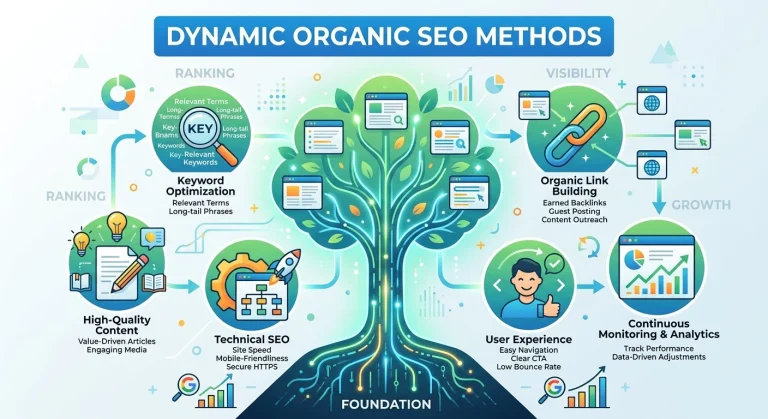
Search engine optimization depends heavily on content and media quality. The ranking of the content should have value to Google with regard to answering the questions and substantiating the knowledge.
SEO-friendly content and media practices include:
- Naturally, use key words and semantic keywords.
- Further splitting of the work in terms of headings, subheadings.
- The alt illustration of image optimization.
- Share of new original posts.
- Making usability and functionality more.
When they are optimized correctly, websites gain higher rankings and attract consistent organic traffic.
Content and Media Strategy for Businesses
A content and media plan outlines the processes for generating, sharing, and disseminating material through lodigital channels. Customers prefer businesses with a solid strategy over those that create arbitrary content. An effective strategy includes key traits such as well defined goals and an understanding of the target audience.
- Selection of suitable digital media channels
- Content calendar planning
- Data on performance assessment.
A well-organized approach guarantees that they initiatives correspond with business objectives and yield quantifiable results.
Difficulties in Overseeing
Despite its benefits, managing content and media comes withlochallenges. These are the quality assurance of the content, trend keeping, multimedia management, and elimination of redundancy or low value contents.
These challenges can be met by the following:
- Focus on quality and not quantity.
- Performance measurement of analytics.
- Regularly refresh your content .
- Keep up with the evolving behaviors of your audience.
The Evolution of Content and Media
Advancements in technology and shifting user preferences drive the content and media landscape. Artificial intelligence, personalized experiences, short-form videos, and interactive formats transform how people create and consume information.
Final Thoughts
To sum up, content and media are crucial components of contemporary digital communication. Each phase, from content creation to its distribution via digital platforms and social networks, significantly contributes to online success. High quality content and strategic media channels enable businesses to enhance visibility, engage audiences, and achieve sustainable growth.