
Did you find that organic search would result in more than 53 percent of all site traffic in 2025?
That is more than any other channel, such as paid advertisements and social media. As a matter of fact, 68 percent of the online experience starts with a search engine. Unless you design your site for organic search, you miss most of your potential audience.
The twist, however, is that Google has smarter algorithms. Marketers have left behind days of keyword stuffing and spammy backlinks. Well ranking today entails providing real value, establishing trust, and offering an outstanding user experience.
Let’s get into it and learn advanced organic SEO secrets and strategies to keep your ranking game smoother and sharper.
E-E-A-T and the New SEO Reality
The E-A-T of Google, i.e., Expertise, Authoritativeness, and Trustworthiness, has likely come up during your time. But have you taken on the new Experience factor?
Now Google rewards content that has proven first-hand experience and practical wisdom. Why does this matter? Users and search engines desire authenticity.
How to Demonstrate E-E-A-T in your Content?
Showcase your credentials. Include your author bios, emphasize your experience, and connect to your professional profiles. Share real stories. Give personal anecdotes, use case studies, and original images showing that you have walked the walk.
Cite reputable sources. Support your arguments with statistics, studies, and professional points of view. Be transparent. Ensure that the users can easily access contact information, business information, and customer support.
Let’s have a look at effective SERP SEO secrets for your website to build authority in Google’s eyes.
On-Page SEO: Structure, Semantics, and NLP
Let’s get practical. What will make a page good or great in 2025? It is a matter of structure, semantic depth, and natural language.
1. Develop a Base of Content
• Organize your content with the help of the correct heading tags (H1, H2, H3).
• Divide the text into bullet points, short paragraphs, and internal links.
•Produce content centers and topic groups. Create a pillar page about organic SEO. Link it to guides on keyword research, technical SEO, and content optimization.
2. Semantic SEO
Google does not simply match the keywords anymore. It knows the topics, context, and user intents. That’s why you need to:
• Make LSI (Latent Semantic Indexing) keys and other related keys. For organic Search Engine Optimization, use phrases like on-page SEO, backlink quality, user intent, and content clusters.
• Cover topics in depth. Respond to general questions, discuss the related subtopics, and give in-depth information.
• Include structured information (schema markup) so that search engines can understand your content and provide rich results.
3. Maximise NLP and User Intent
Write in an understandable, conversational way. Be active and change the length of the sentence.Response to queries from users. Do they need information, a product, or a solution?
Organize your material to respond to certain questions. This gives you the chance of appearing in snippets and AI Overviews.

Technical SEO
No matter how good your SEO techniques are, your site won’t rank well if it is slow or hard to use. These are the things you have to pay attention to:
1. Core Web Vitals
• Largest Contentful Paint (LCP): Have a target of less than 2.5 seconds.
• Interaction to Next Paint (INP): Maintain it at less than 200 milliseconds.
• Cumulative Layout Shift (CLS): Aiming at a score that is lower than 0.1.
Monitor and optimize these metrics with the help of such tools as Google Search Console and PageSpeed Insights. Did you realize that websites with a good score on Core Web Vitals rank higher and have a lower bounce rate?
2. Mobile Optimization
• Make sure that your site is highly responsive and fast to load on any device.
• Huge fonts and buttons to tap.
• Never use intrusive pop-ups.
Google currently conducts 58 percent of searches on mobile devices, an issue that will make you overlook mobile optimization.
3. Structured Data
Mark up the schema to highlight articles, frequently asked questions, products, and reviews.
Provide more information and visibility in search results with the help of nested schemas.
Off-Page SEO: Generating Authority and Trust
Backlinks are important, although quality is superior to quantity. The following is the process of creating a strong off-page SEO profile:
1. Construct on High-Quality and Relevant Backlinks
Get authoritative links to sites that are relevant to the niche. A single link to a good industry blog is better than many links to low-quality directories.
Spread your backlinks. Combine branded, generic, and LSI anchor texts.Periodically review your backlink profile and disavow unhealthy or spammy links.
2. Leverage Social Signals
Share your content on sites like LinkedIn, X, and Facebook. This will help you gain more visibility and natural links.Promote reviews and testimonials via third-party sites. A good reputation will increase your rankings, particularly for local and YMYL issues.
Wrap-Up
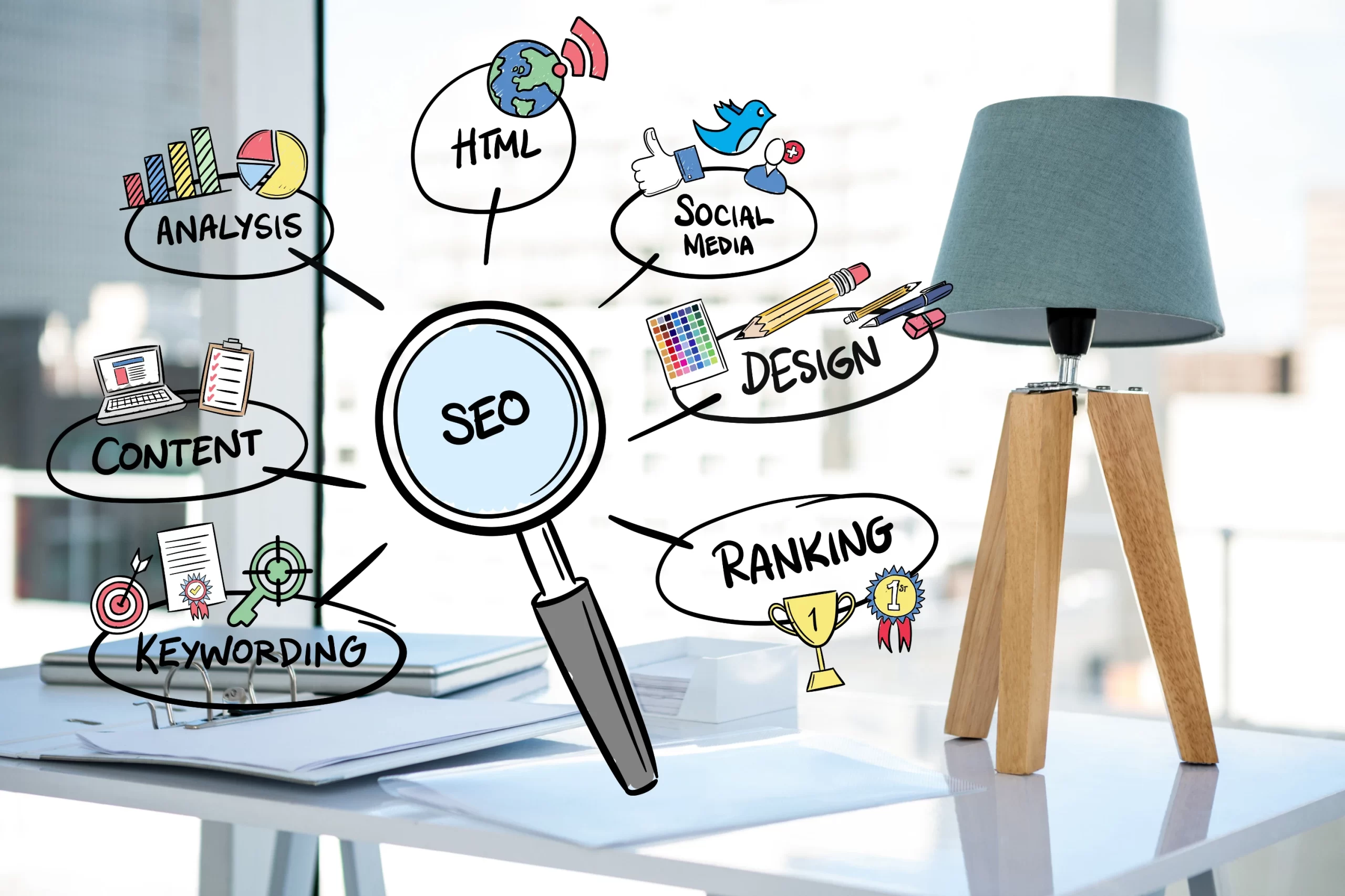
SEO is always changing, but the main ideas stay the same. These ideas are to provide value, gain trust, and focus on users. You can outshine the competition by mastering advanced organic SEO secrets.
Focus on on-page and off-page optimization. Pay attention to technical optimization too. Show your expertise and experience in the field.
So, what’s your next step? Do you revise your content structure? Or begin to develop relations based on quality backlinks?